Unfair dismissal has been one of the most common claims to be brought to employment tribunals, with a 23% rise in the number of unfair dismissal claims receiving rewards from 2018 to 2019. Relevant provisions can be found in the Employment Rights Act 1996, in which s98 (2) lists the reasons an employee can be dismissed.. Unfair dismissal claims are governed by Section 98 (4) of the Employment Rights Act 1996. 1. So, the 5 fair reasons for dismissal are. You will be deemed to have been dismissed fairly if your employer let you go for any of the following reasons: Capability or performance. Conduct. Illegality. Redundancy.
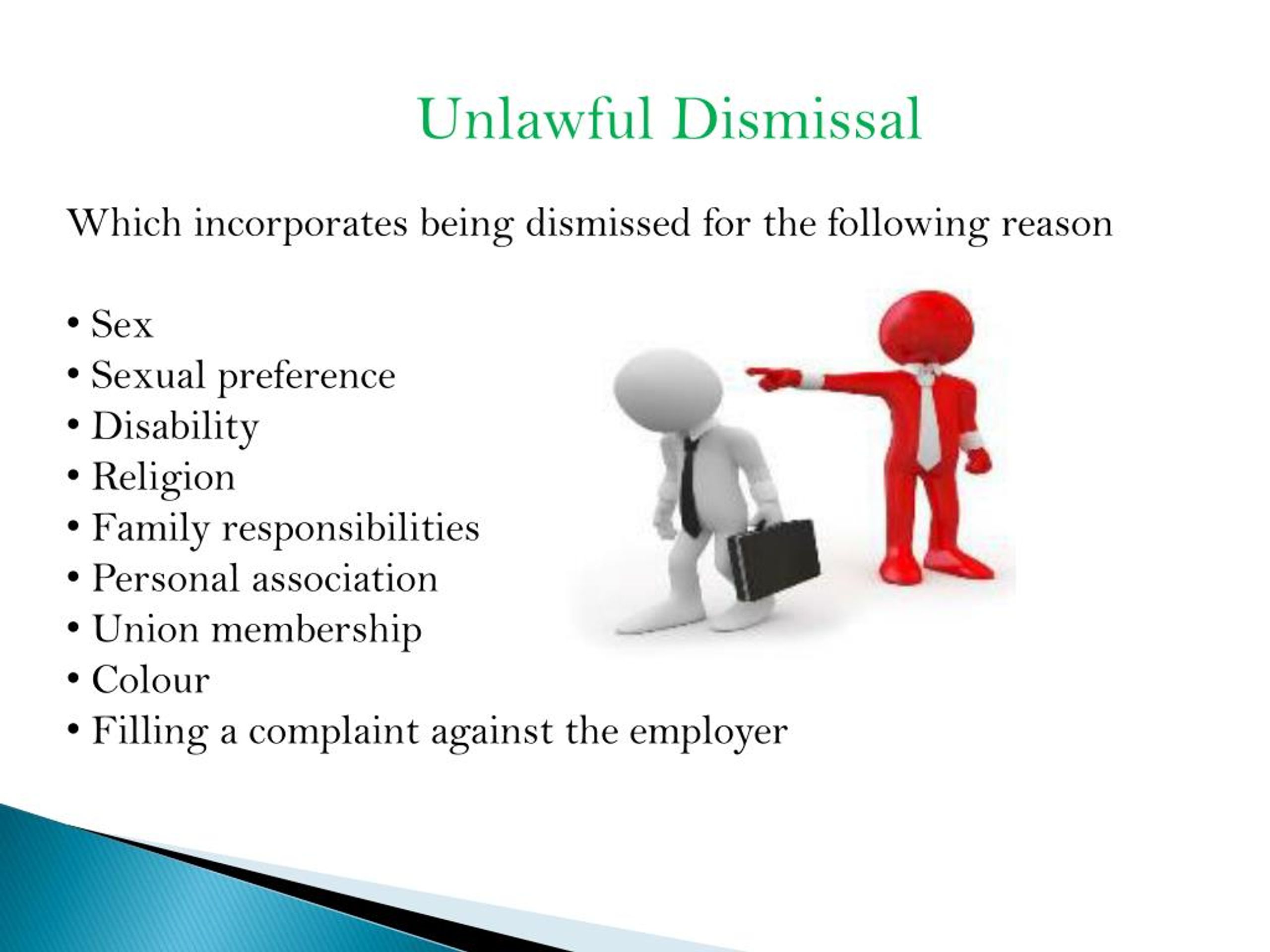
PPT Make Claim for Unfair Dismissal Australia PowerPoint Presentation ID7244232

Unfair dismissal at the end of a fixed term contract. What? LawBase
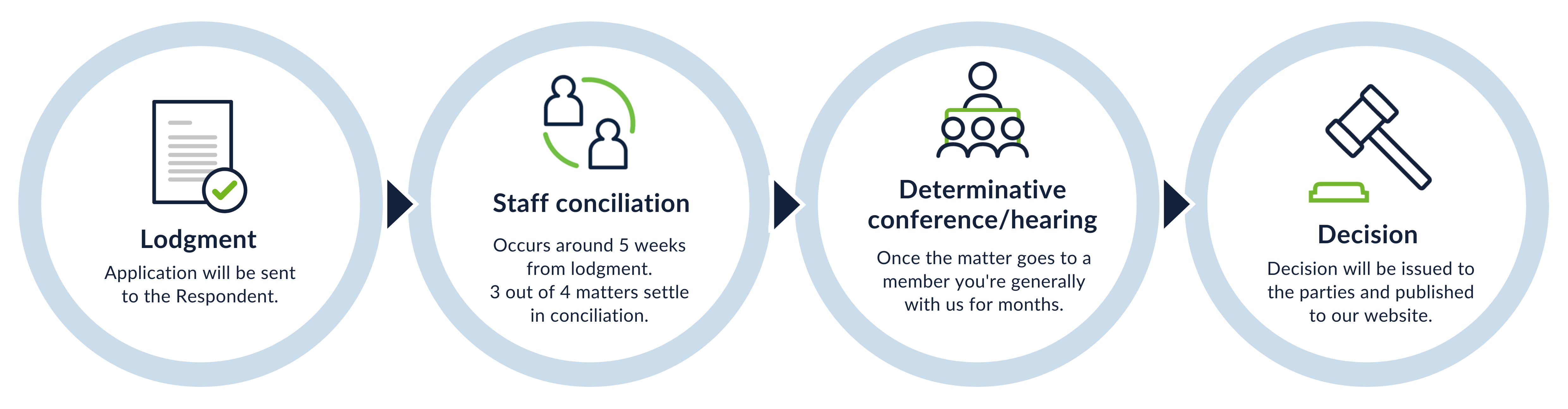
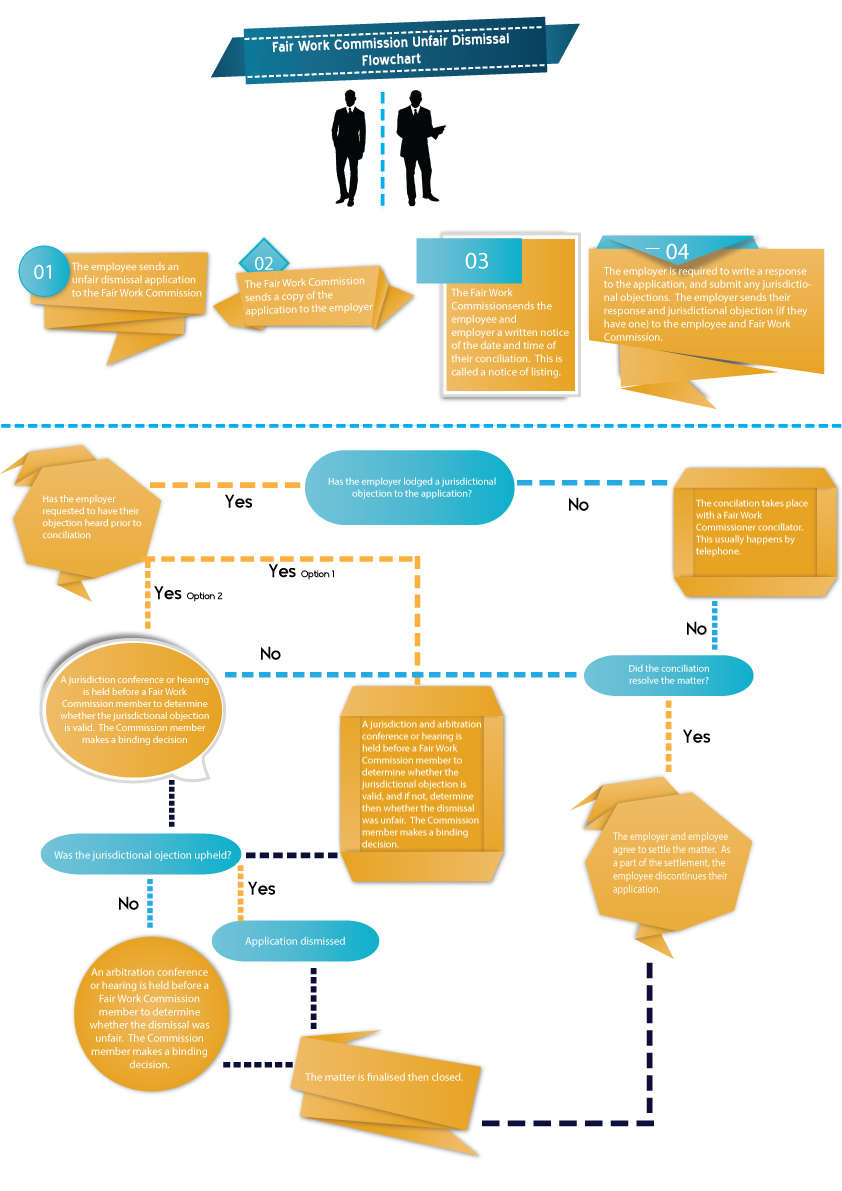
The process for unfair dismissal claims Fair Work Commission
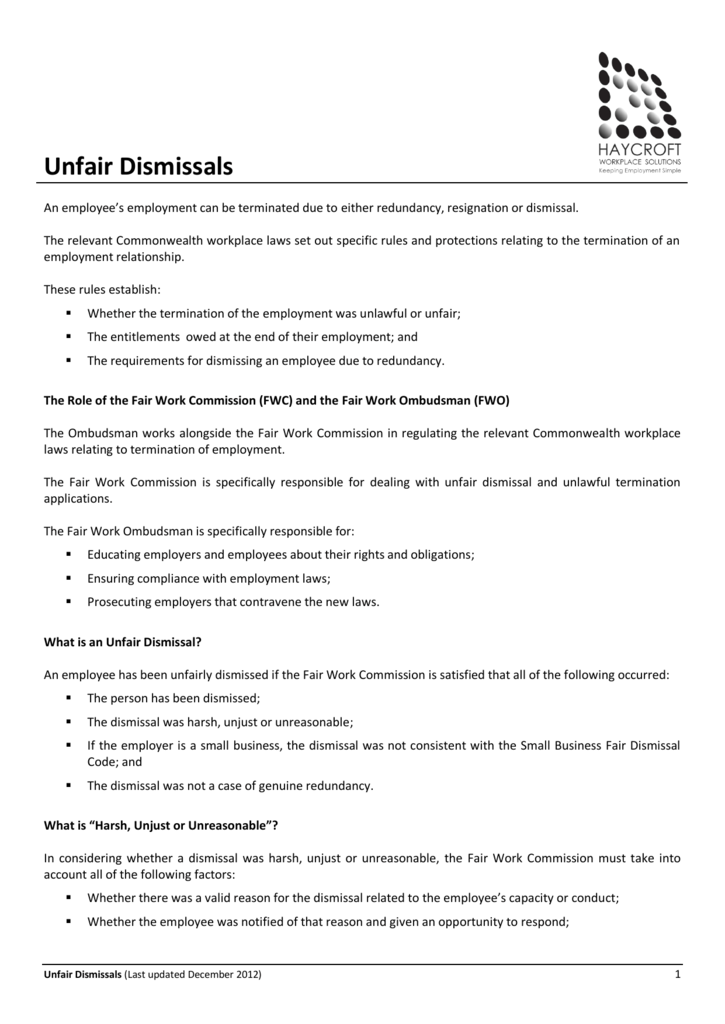
Unfair Dismissals

Unfair dismissal example UNFAIR DISMISSAL Eligibility burden of proof on employee 3 months (1
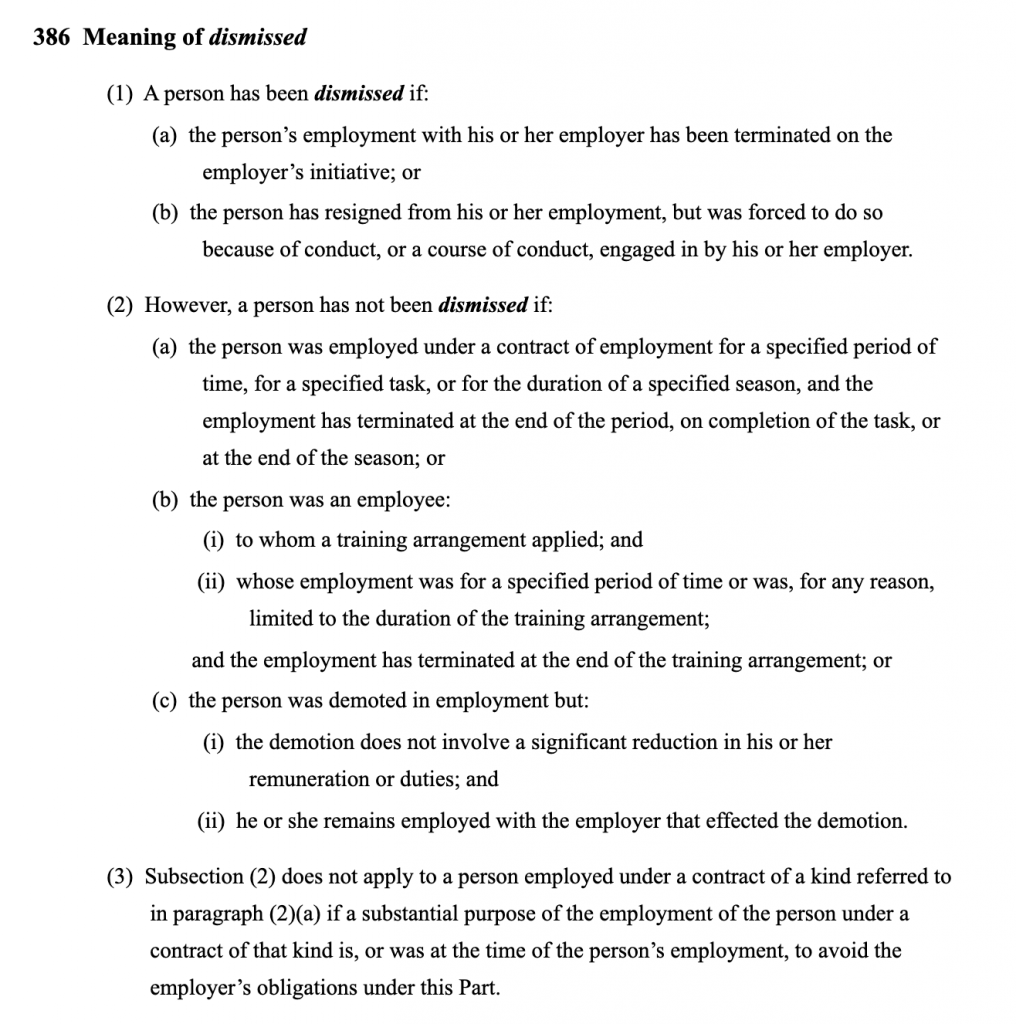
Unfair dismissal at the end of a fixed term contract. Wait, what…? DC Lawyers
Unfair Dismissal Process An Overview Donovan & Ho
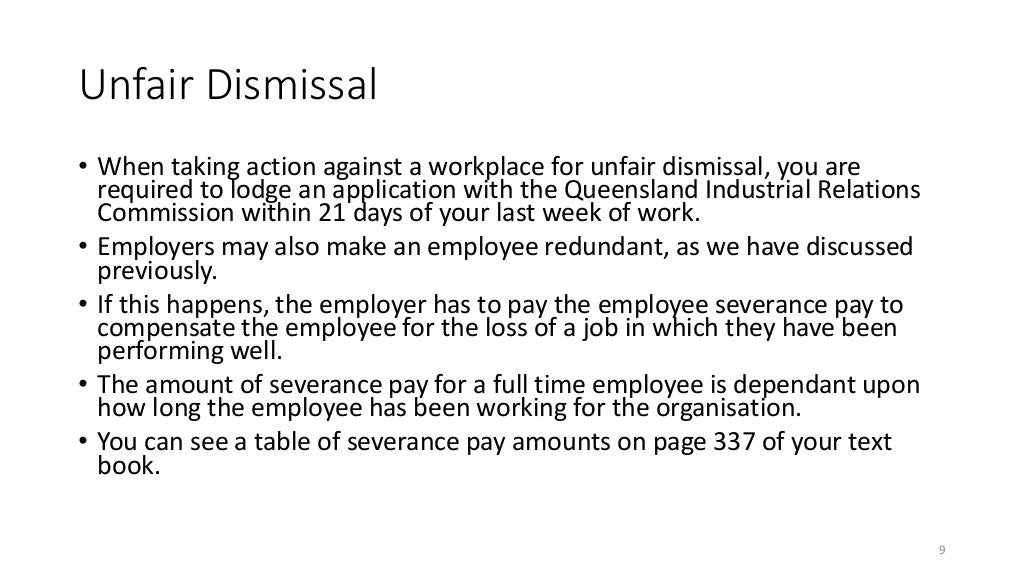
4b. Unfair Dismissal

Key Unfair Dismissal Cases in Employment Law The Lawyer Portal

Why do employers lose unfair dismissal cases Employer Advisors
3 Ways to Prevent Unfair Dismissal Claims DWS
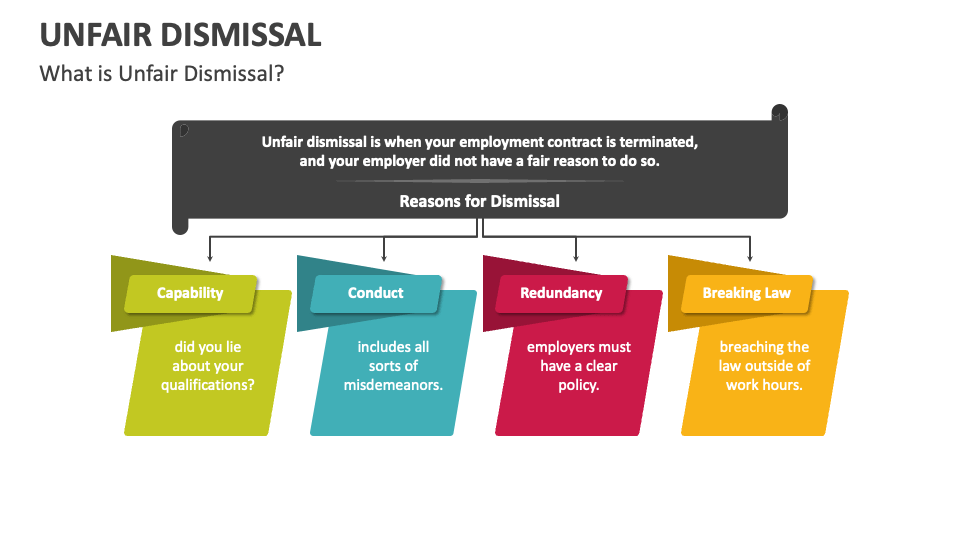
Unfair Dismissal PowerPoint Presentation Slides PPT Template
Fair Work Commission rules against Sydney system integrator ELB in unfair dismissal case
Unfair Dismissal Magrath Magrath
Recent unfair dismissal cases Lessons and reminders Madgwicks Lawyers
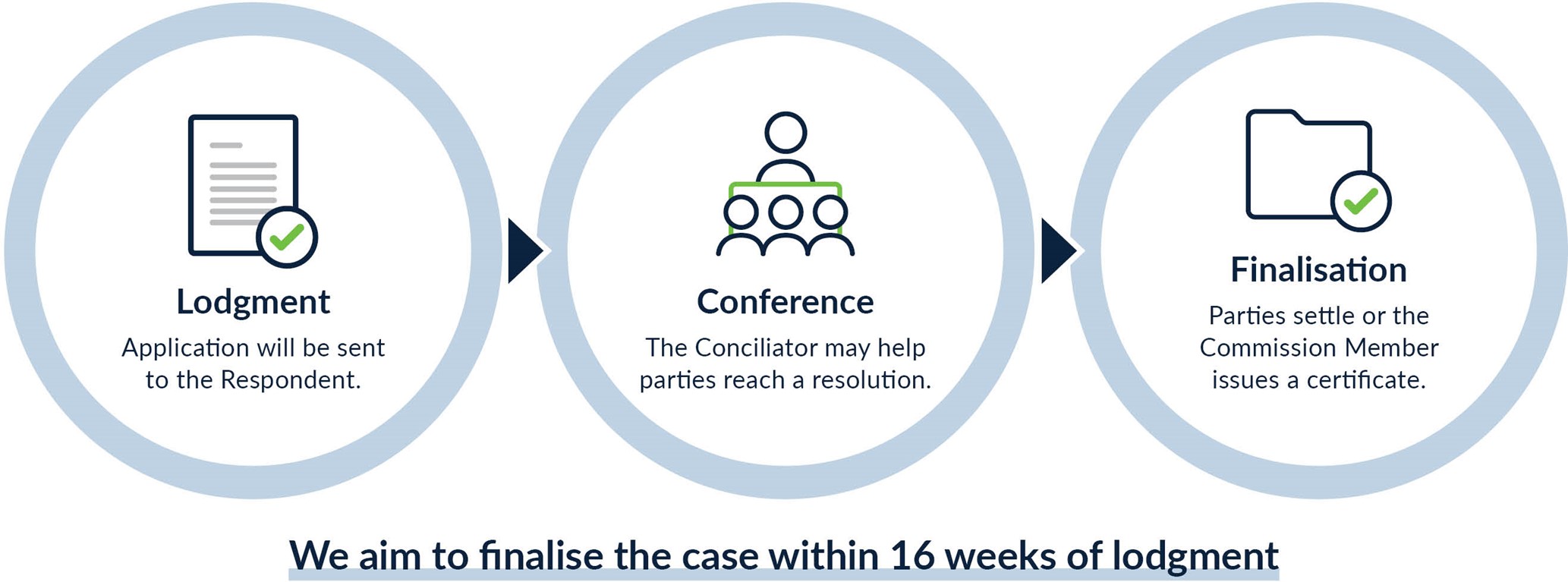
The process for general protections dismissal Fair Work Commission
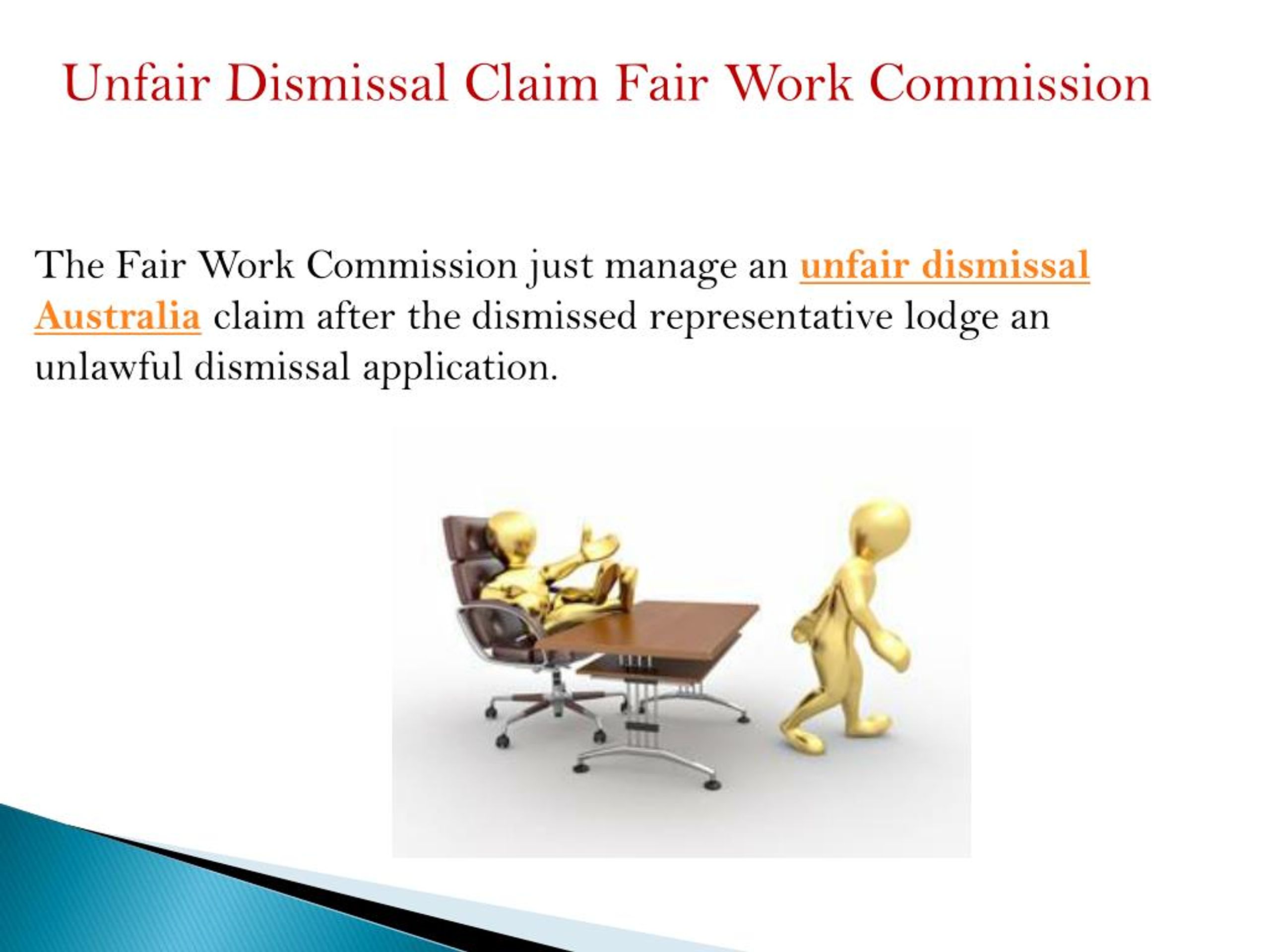
PPT Make Claim for Unfair Dismissal Australia PowerPoint Presentation ID7244232
What Can Be Considered as Unfair Dismissal?

What Is Unfair Dismissal In Employment Law?
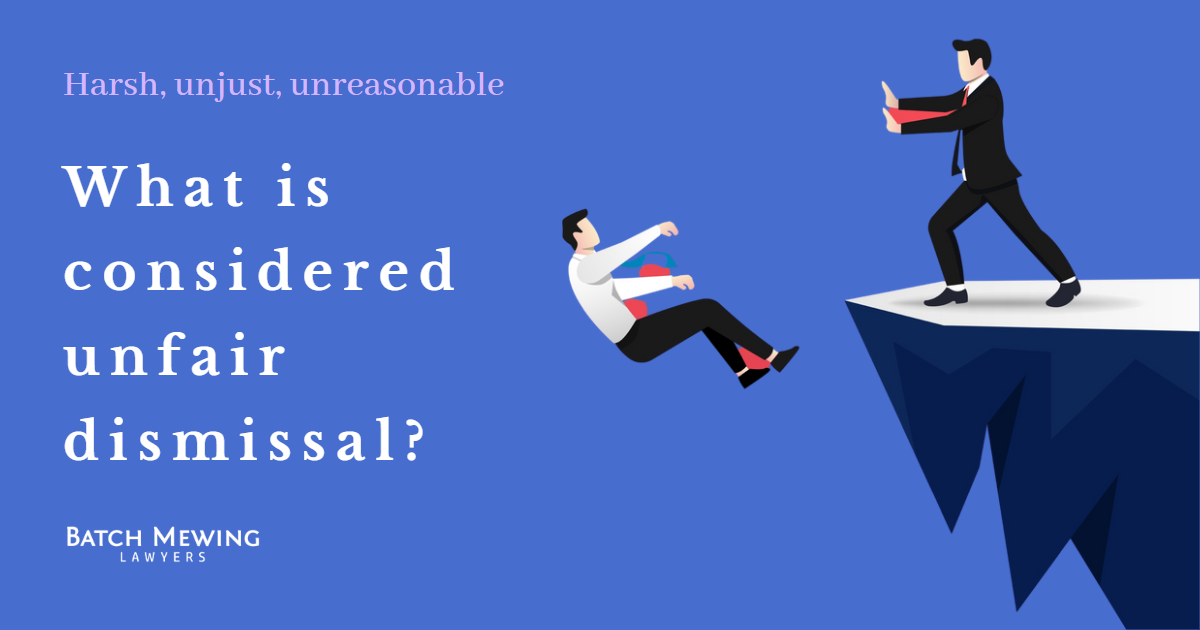
What is Unfair Dismissal?
The Employment Rights Act 1996 sets out 5 potentially fair reasons for dismissal: Conduct: Employee behaviour or misconduct that breaches company policies or professional standards. Capability or qualifications: Lack of skill, competence, or qualifications required for the job. Redundancy: Situations where the role is no longer necessary, often.. Step 1: an investigation. Your employer should try to work out the facts behind whatever they say you’ve done wrong. The process could be unfair if they don’t make any effort to find out what’s really happened. They should investigate as quickly as they can. If you’re suspended they have to keep paying you.


![Down By The River Milky Chance [Frontal Roast Remix] YouTube](https://i.ytimg.com/vi/e2gksjHVL0k/maxresdefault.jpg "Down By The River Milky Chance [Frontal Roast Remix] YouTube")